Prototypes from the powder bed
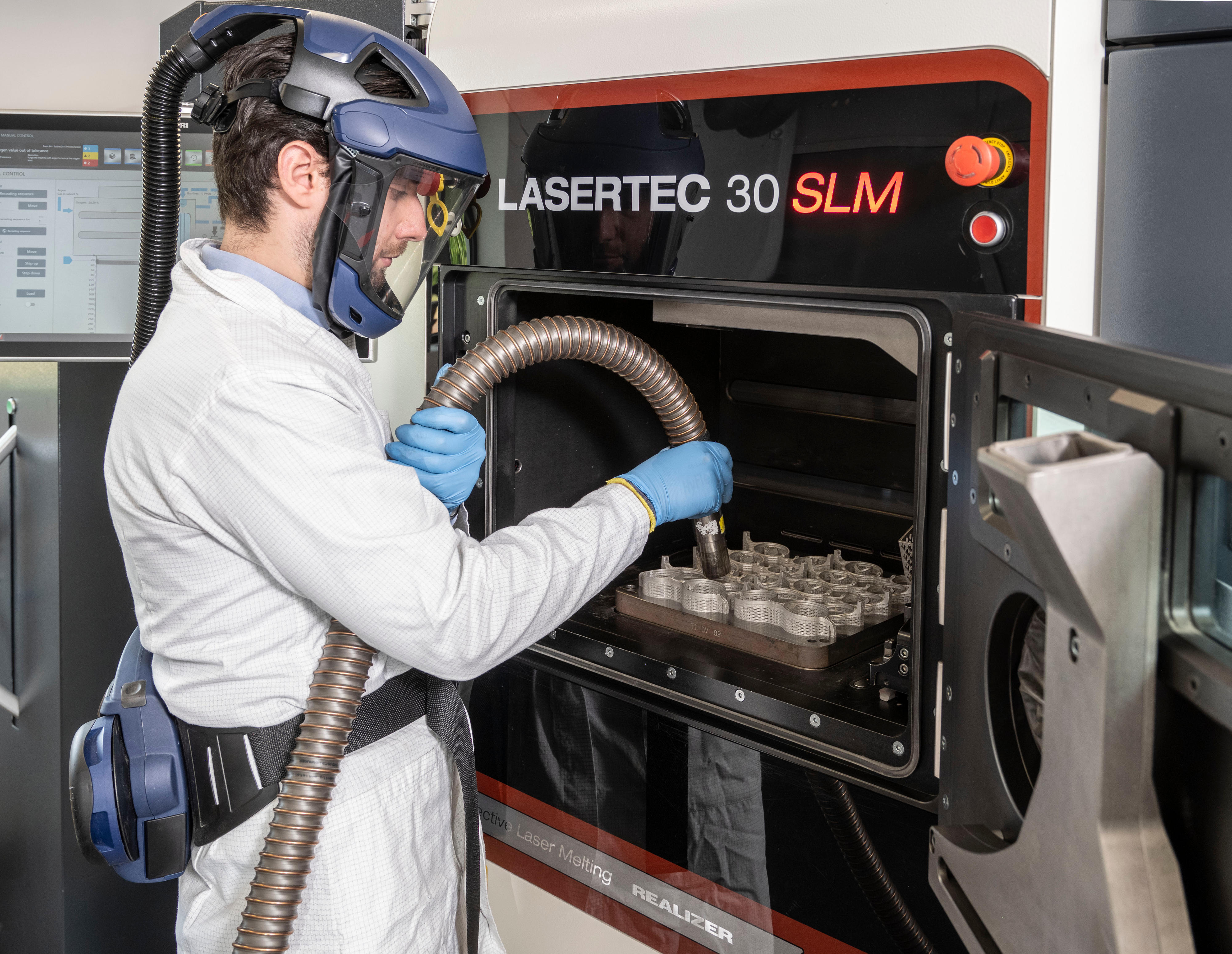
Bionic structures, internal cooling channels and filigree grid designs – where conventional machining reaches its limits, the world of 3D printing begins for Melotte. The subsidiary of the Picanol Group has been active in tool and mold making since 1965, but has also been focusing on the additive manufacturing of metallic components since 2007 – as the first company in Belgium and one of the pioneers in Europe. The entry into the then still young technology initially took place on powder bed machines from REALIZER. DMG MORI took over the manufacturer in 2017 and became a full-service provider in the machining of metallic components. Due to the positive experience with the predecessor models, Melotte then also invested in further developments – in 2017 in a LASERTEC 30 SLM and in 2024 in a LASERTEC 30 DUAL SLM.
New markets thanks to additive manufacturing
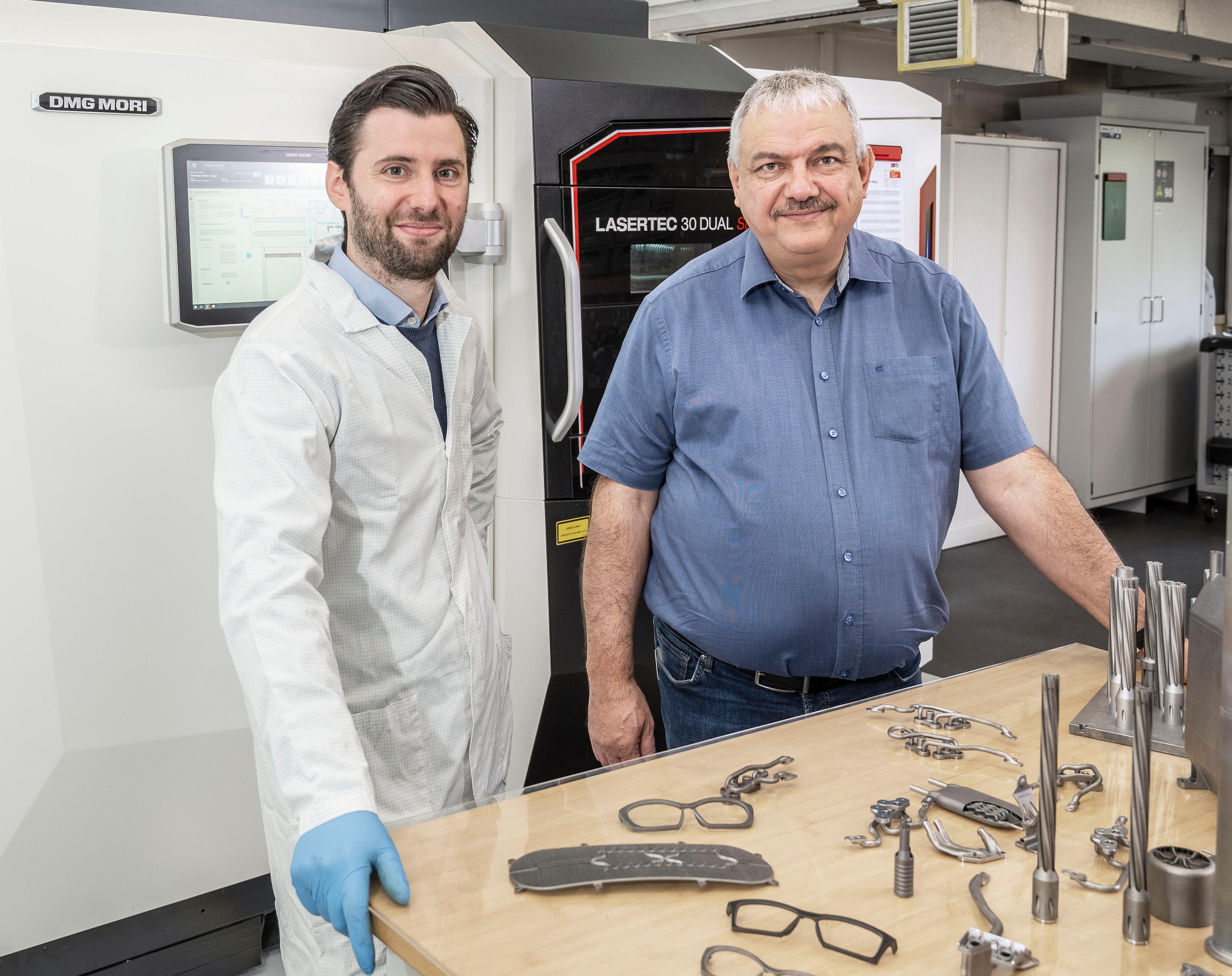
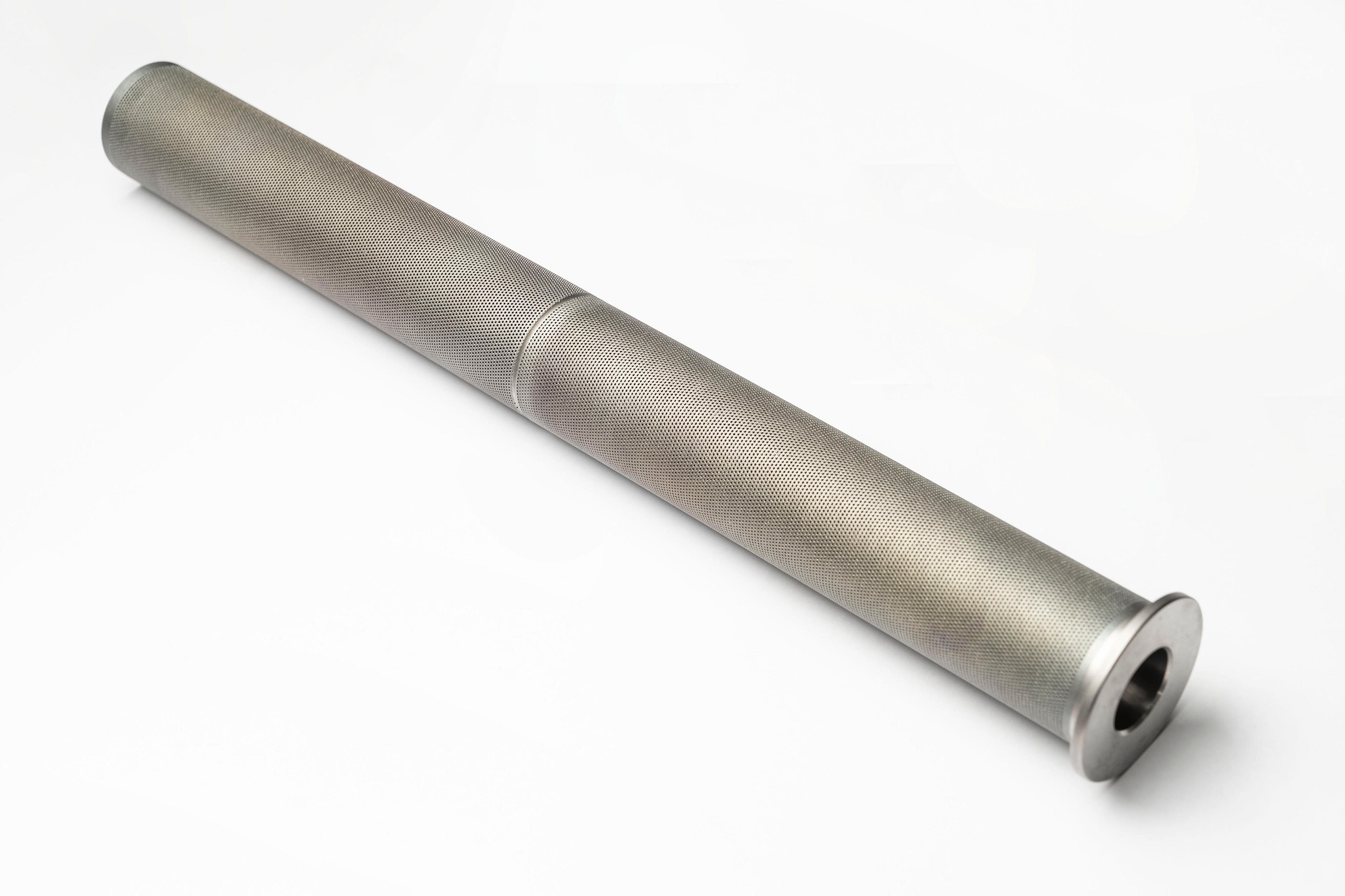
“We were able to open up new markets with prototypes and small batch sizes in particular thanks to additive manufacturing,” says Peter Perremans, CEO of Melotte, looking back on the company's successful business development. Today, the company manufactures highly complex components for industries such as semiconductors, pharmaceuticals, mechanical engineering, electronics and petrochemicals. The biggest advantage: almost limitless design freedom. Designers can implement new ideas and fundamentally optimize existing components. Melotte supports them right from the start - with expertise that covers the entire manufacturing process. This is because additively manufactured workpieces often require post-processing: milling, turning, grinding or eroding are standard here.
Redesign of hydraulic blocks and cooling channels
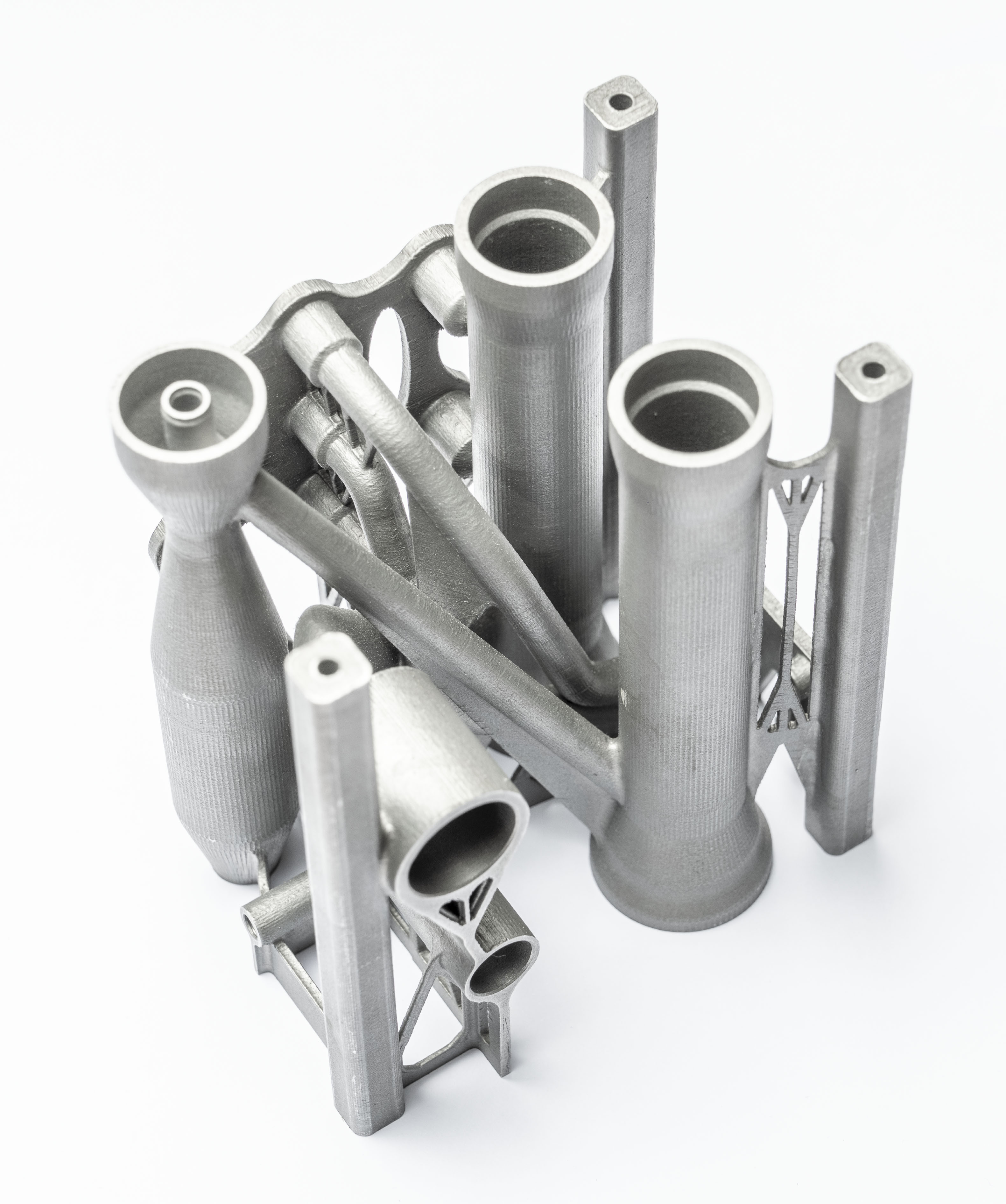
Peter Perremans uses the example of a hydraulic block to illustrate the additive approach: “Instead of a solid block with straight holes, we can use 3D printing to freely determine the course of the fluid channels, which improves the function and drastically reduces the weight of the component.” Lightweight construction is a decisive factor in the Aviation & Space sector, among others, but stability must also be taken into account. “We could produce wall thicknesses of just 0.5 mm on the LASERTEC SLM machines, but this is not enough for some applications.”
Thomas Vandenberghe, SLM engineer at Melotte, gives another example of successful redesign with cooling channels for lithographic systems from ASML: “On the LASERTEC 30 DUAL SLM, we can freely define the geometry of these parts and thus optimally adapt them to their later function.” In order to produce these variant-rich small series economically, Melotte places as many of the components as possible on one of the 300 x 300 mm build plates. Peter Perremans also sees a sustainable aspect in such newly conceived solutions: “The bionic design of these components requires significantly less material than conventionally manufactured components that are milled from solid material.” This supports a resource-saving approach to production.
High-precision and 80 percent more productive
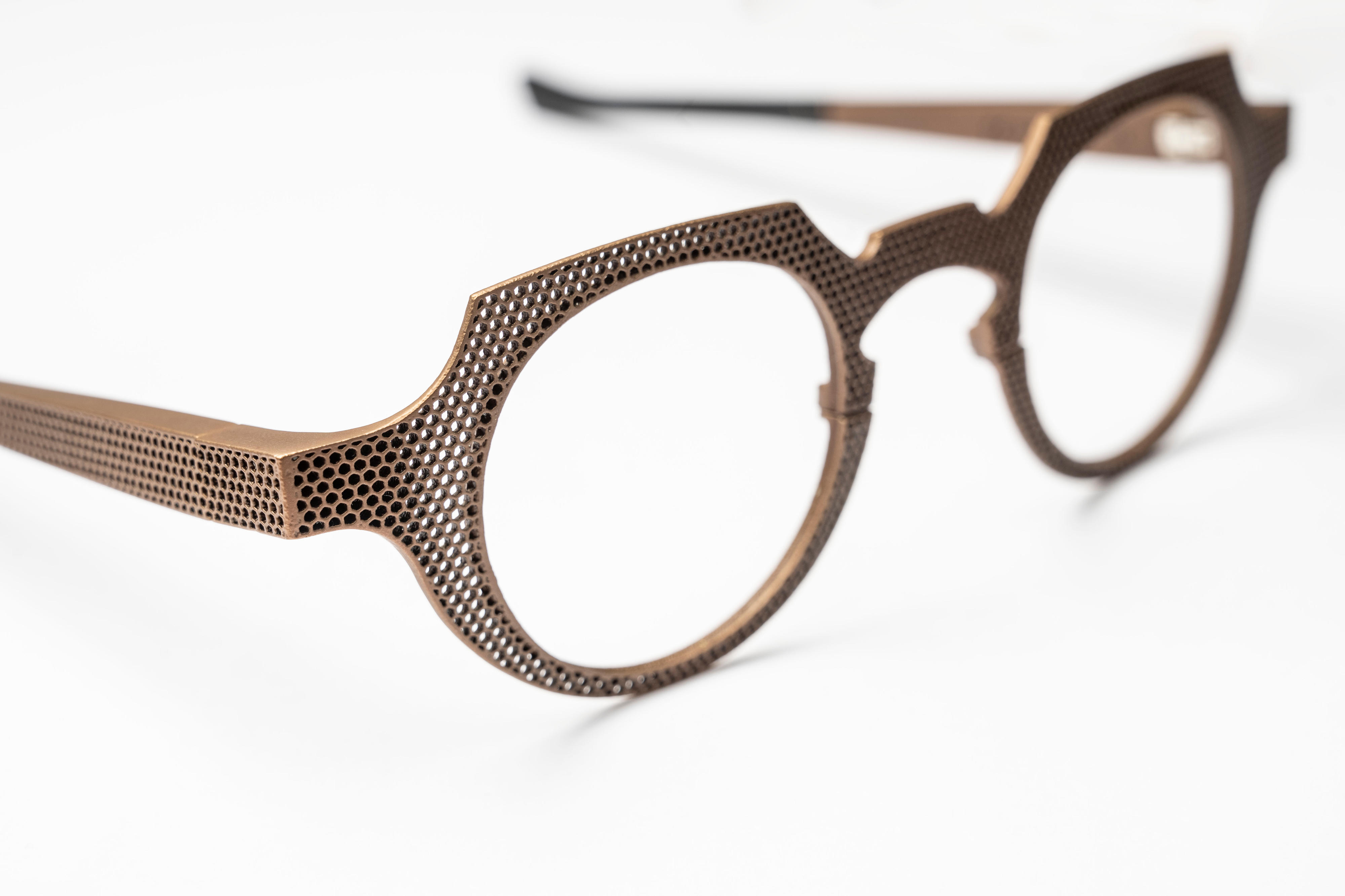
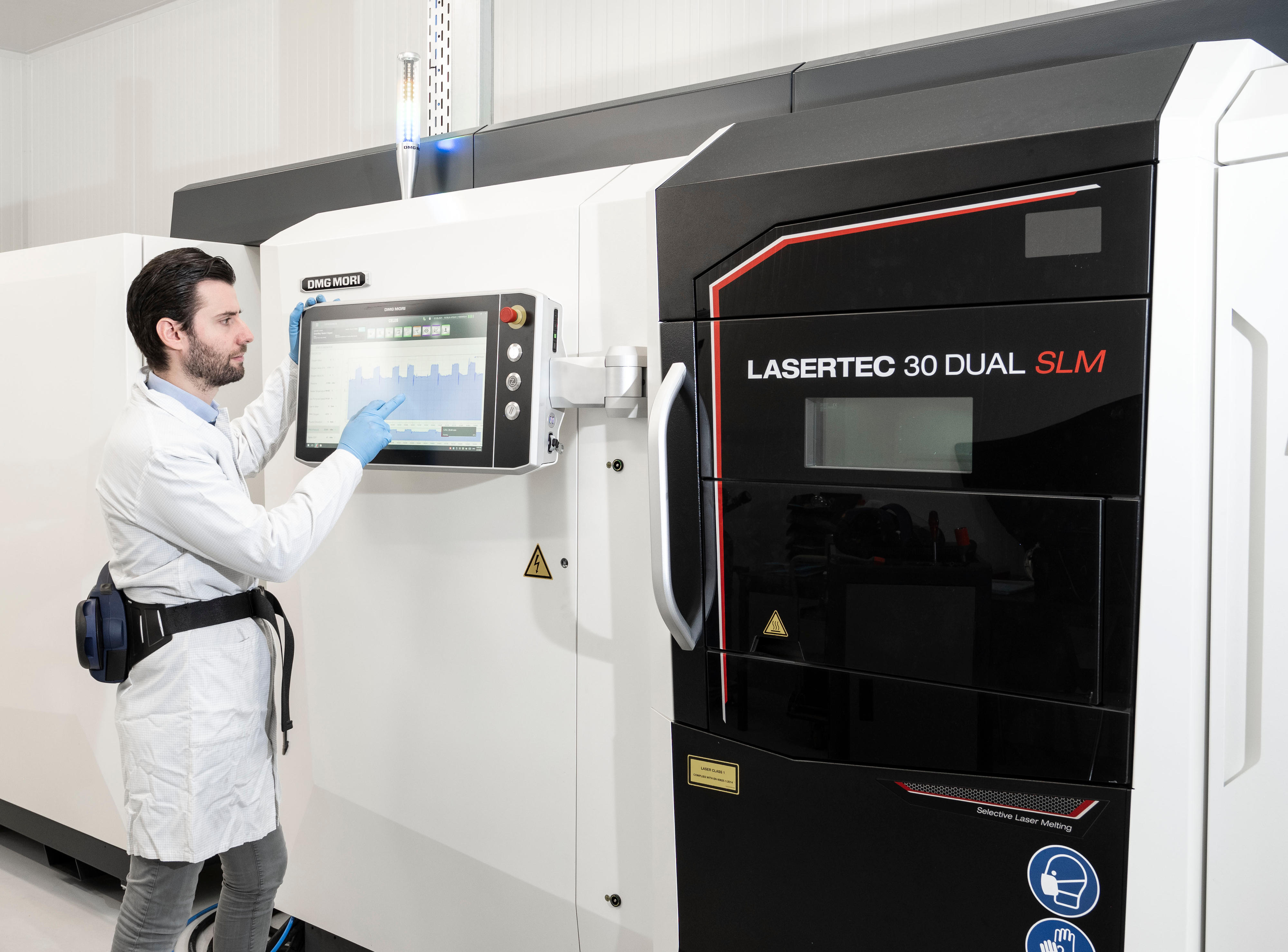
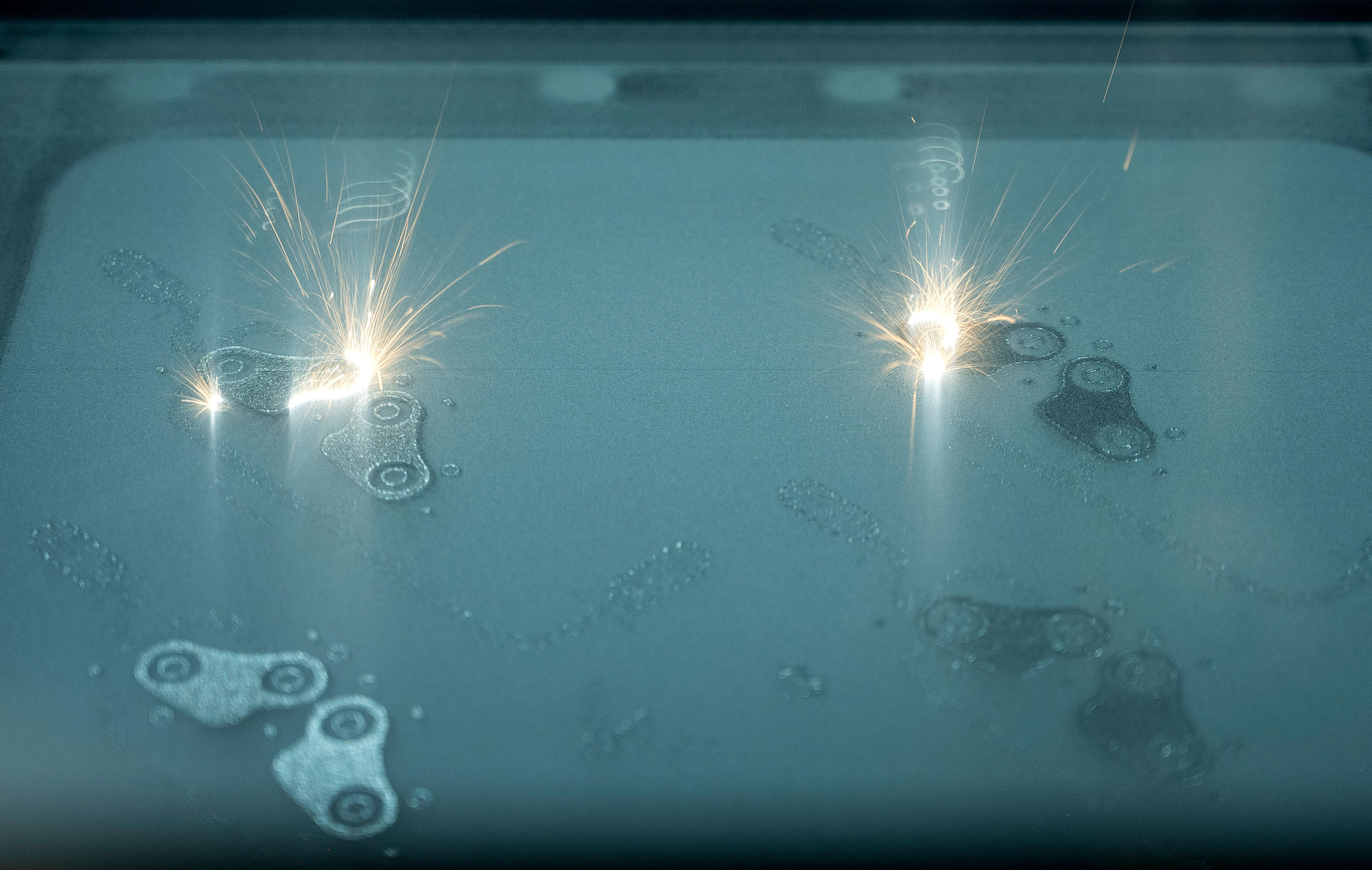
Melotte's decision to invest in another LASERTEC SLM machine in 2024 is partly due to the positive experience with the previous models. On the other hand, Thomas Vandenberghe was also impressed by the potential of the LASERTEC 30 DUAL SLM: “Equipped with two 600 watt lasers, the machine is up to 80 percent more productive.” DMG MORI has also further improved the optics module. “The focus diameter of 80 µm offers very high precision, which allows us to produce extremely fine grid structures with good surfaces, for example. This means we always get the best component quality.”
Convenient powder handling with rePLUG exchangeable module
On the LASERTEC 30 SLM and the newer LASERTEC 30 DUAL SLM, Melotte mainly produces components made of stainless steel and titanium alloys. According to Peter Perremans, the consistent use of the same material reduces the effort involved in cleaning: “Customers such as ASML expect absolutely unmixed products without residues of a different material. In this case, all lines must also be cleaned when changing materials.” Should this ever be necessary, DMG MORI has a convenient solution with the rePLUG change module, which enables a contamination-free changeover between different materials in under two hours. “We can provide replenishment with the same material in just a few minutes.”
Diversity of materials in additive manufacturing
The continuous development of powder bed machines has meant that almost all metal alloys can be used today. “The trick is to hit the optimum melting point of the material with the laser,” says Thomas Vandenberghe. Today, more powerful lasers and increasingly precise control of the process mean that even aluminum and copper can be printed without any problems. “Scans show that the density of the components is in no way inferior to that of the solid material, so we can guarantee optimum quality at all times.” The quality of the metal powder is also crucial for this. DMG MORI cooperates with selected DMQP partners (DMG MORI Qualified Products) who manufacture high-quality powders and also supply customers such as Melotte directly.
Broadly positioned for the future
Thanks to additive manufacturing, Melotte has evolved from a traditional tool and mould maker into a highly specialized manufacturing partner that also drives innovation in prototype construction. The economic development of the target industries determines where innovations are most in demand. “One year the focus is noticeably on the semiconductor sector, another year the demand from the pharmaceutical industry is greater,” says Peter Perremans, describing the fast-moving business. However, this does not play a major role for the work with the LASERTEC SLM machines. “Our focus is on highly complex parts and small quantities. With the help of metallic 3D printing, we can use our expertise profitably in precisely this area.”


Melotte nv
Industrieweg 2019
B - 3520 Zonhoven
www.melotte.be
Contact us for all issues related to DMG MORI technical press.